
HMRC vs Public EV Charging – rules in favour of a reduction to 5%
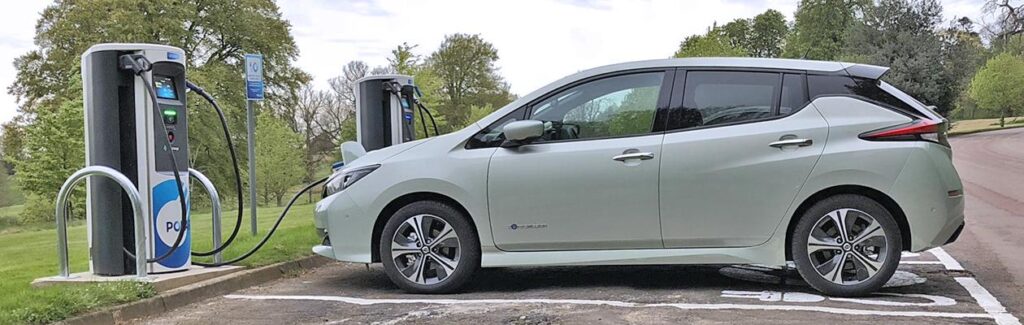
A UK First-tier Tax Tribunal has ruled that public EV charging can qualify for the reduced 5% ‘domestic’ VAT rate in circumstances where the electricity supplied is below 1,000 kWh per month per customer at each location, rather than the 20% standard rate currently applied on the public charging network. It is considered nigh-on impossible for a driver to exceed this limit, so is being heralded as an important step towards equalizing the grossly unfair so-called pavement tax that sees those without a driveway or means to privately charge their vehicle paying higher tax to charge EVs.
The case was brought by community charge point operator Charge my Street, which successfully appealed HMRC’s view that public charging must always be standard-rated. The tribunal accepted the argument (supported by Deloitte) that existing VAT law contains a ‘de minimis’ provision treating smaller quantities of electricity supplied at ‘any particular premises’ as domestic, meaning the 5% rate should apply.
The ruling rejects HMRC’s long-standing interpretation that the de minimis rule only applies to an ongoing supply to a person’s home/building and does not apply to public charge points. HMRC says it is considering the decision and next steps, including the possibility of appeal.
Charge Point Operator Believ has long been campaigning that this inequity should be addressed and has committed to passing on the savings to customers should the ruling become law.
I have a comment on their position below, but there’s lots of interesting things to discuss regarding potential for back-dating charges and what this means for how costs would reduce. Would be happy to set up a call to discuss if of interest?
Guy Bartlett, Charge point operator Believ CEO:
“As a business dedicated to making EV charging fair and accessible for all, we see this initial tribunal ruling in favour of Charge My Street as an important and very welcome signal that the case for aligning VAT on public charging with domestic electricity has finally been recognised at a legal level.
“This is around fairness and creating sustainable and affordable charging solutions for all consumers.
“It is however important to note there is still a formal process to go through, including the possibility of an appeal by HMRC, so nothing changes overnight for consumers or public charge point operators. But this is a strong step in the right direction, and we would urge government and HMRC to move quickly to provide clarity and ensure a fair, consistent VAT framework that supports continued investment in public charging and accelerates the UK’s transition to zero-emission transport.”