
The 60-second trick that professional gardeners swear by for better blooms
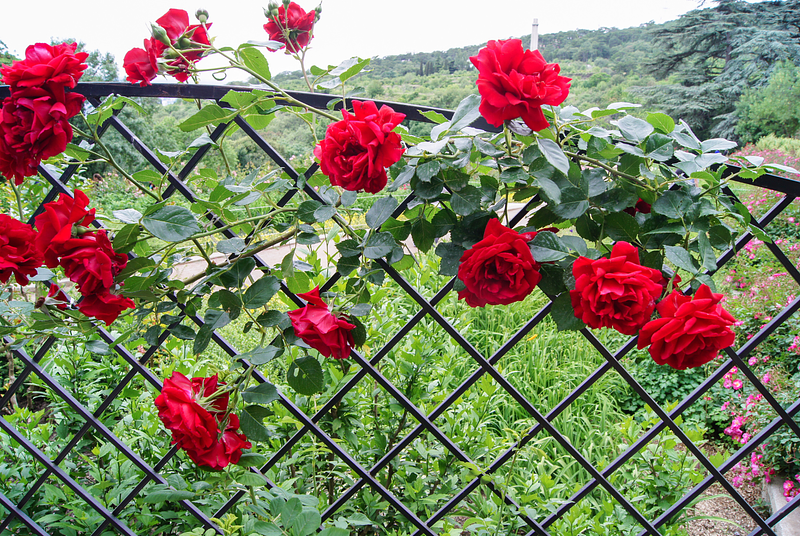
Many gardeners spend spring tying climbing plants and roses upwards to keep them tidy – but experts say this common mistake could actually reduce the number of flowers your plants produce.
Noah Mabey, Senior Gardener at Thornbridge Hall and Horticultural Advisor to Platinum Spas, explains that training stems horizontally instead of vertically can encourage significantly more blooms throughout summer. Mabey said,
“A lot of gardeners naturally tie climbing plants straight upwards, but this often encourages the plant to focus on producing long leafy stems rather than flowers.”
“By gently training stems more horizontally, you encourage the plant to produce flowering shoots all along the stem instead, which creates a much fuller display.”
The simple gardening trick that could help produce more blooms
Well-trained climbing plants can also help transform patios and seating areas into more relaxing outdoor spaces during summer, particularly around pergolas, garden seating and hot tub areas.
The technique works particularly well for climbing roses, rambling roses, honeysuckle and wisteria, especially during late May and early June, when fresh growth is still soft and flexible.
Noah Mabey, Senior Gardener at Thornbridge Hall and Horticultural Advisor to Platinum Spas said,
“This is the perfect time to tie in new growth because stems are still soft and easy to shape. Later in the season, stems begin to harden and become far more difficult to train without snapping.”
“Training stems now also helps protect plants from wind damage later in summer, particularly with climbing roses and wall-trained plants.”
Why tying stems horizontally encourages more flowers
Noah explains,
“Plants naturally direct most of their energy towards the tip of a vertically growing stem. By positioning stems sideways, gardeners can encourage more side shoots to develop along the branch, leading to more flowering points.”
“Instead of putting all their energy into growing taller, the plant starts producing side shoots along the stem, and those are what carry the flowers.”
“It’s a really simple technique, but it can completely change how climbing plants look later in the season.”
What gardeners should do this month
May is also an important time for tying in climbers and checking wall-trained plants before growth becomes too vigorous.
Noah recommends gardeners:
Tie in climbing and rambling rose stems before winds damage them
Train stems horizontally where possible
Untuck stems that have started growing behind support wires
Secure new growth while stems are still flexible
Continue deadheading spring flowers to encourage repeat blooming
“It’s much easier to guide plants into the shape you want now rather than later in summer when stems become long, woody and harder to manage.”